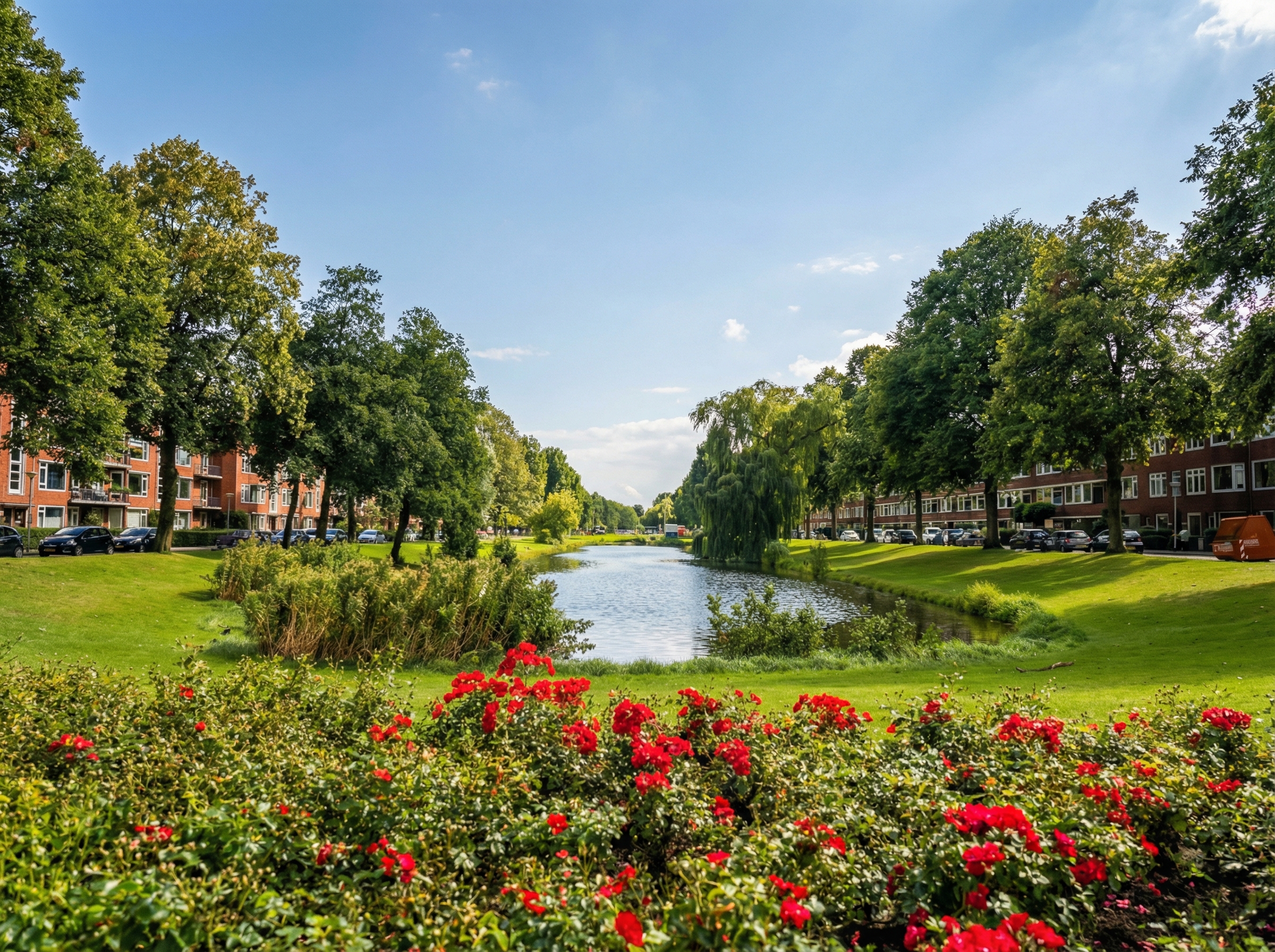
The Oosterparkwijk is a diverse and vibrant neighborhood offering urban living with plenty of amenities close by.
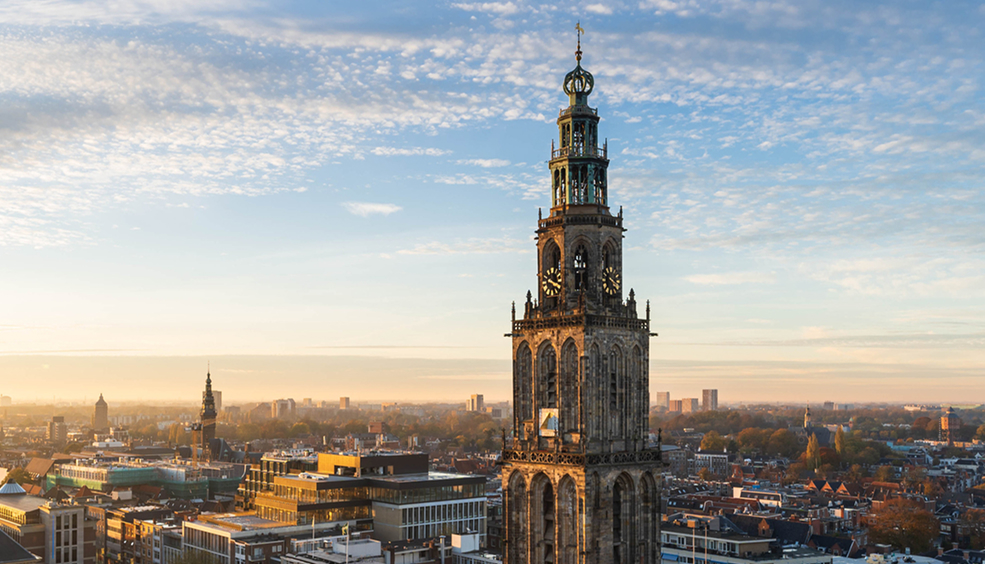
In the Oosterparkwijk, you live right among sports fields, local shops, and charming streets full of character. The district is developing rapidly and feels young, dynamic, and accessible. You can cycle to the city center in no time and enjoy the parks, restaurants, and cultural spots in the vicinity. It is a neighborhood with life all around you, yet with enough quiet spots for pleasant living.
The Oosterparkwijk is a large yet cozy residential area approximately 10 minutes by bike from Groningen’s city center. The residential area runs from the Florakade through to beyond the UMCG. The Korrewegwijk begins from the Oosterhamrikkade. The district was built between 1925 and 1935. This is clearly reflected in the characteristic style of that period, which made extensive use of brickwork and the addition of beautiful decorations in the facades. The Saint Francis Church, built in 1930, is a prime example of this. Most striking is the use of colored brick and decorative masonry.
The neighborhood is spaciously laid out, and it is clear that the district is a combination of various developments. The closed building blocks and long streets are characteristic of the area, but there is a lot of variation within them. For example, the ‘Blauwe Dorp’ (Blue Village) has a true village character due to the farmhouse-style houses located there. The strip of homes along the Van Starkenborgh Canal is characterized by a mix of pre-war urban planning and early post-war architecture.
The district has undergone significant urban renewal and renovations in recent years. Furthermore, there are various new construction projects in the neighborhood. The young residential development Stadswerf is an example of this.
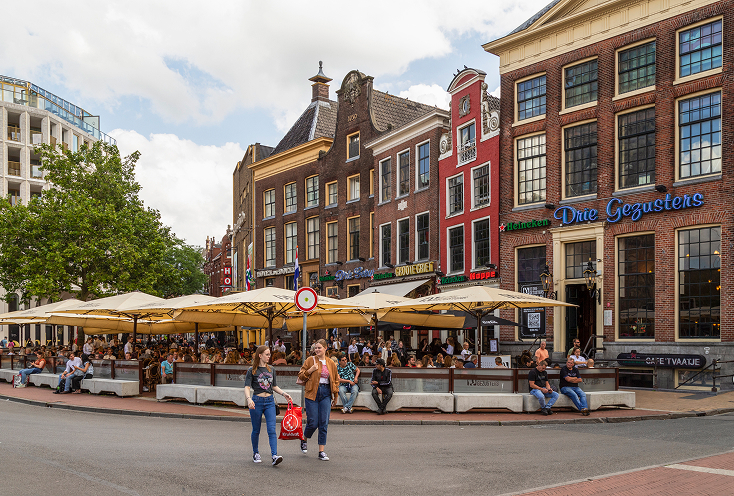
What makes this neighborhood special?
- Housing supply with a mix of affordable apartments and characteristic houses, providing options for various budgets and lifestyles.
- Historic workers’ architecture and a unique atmosphere that give the neighborhood an authentic and recognizable character.
- Excellent local amenities, such as schools, sports facilities, and shops, making daily errands easy to manage.
- Active neighborhood initiatives and social engagement, which often give residents a sense of community and togetherness.